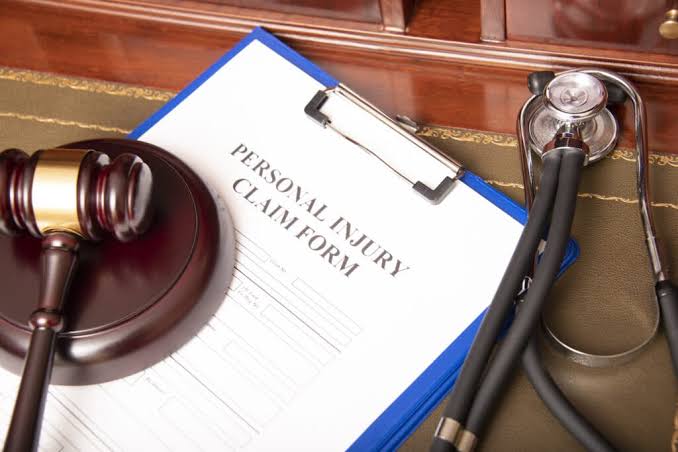
An unexpected injury can affect an entire household, not just the person involved in an accident. When someone becomes unable to work, drive, or complete ordinary responsibilities, family members may need to adjust their schedules and provide additional support. These changes can create emotional pressure, financial concerns, and new responsibilities for everyone involved.
Understanding how an injury affects family life can help people prepare for the challenges ahead and find practical ways to manage the recovery process.
The Immediate Impact on Household Responsibilities
Many families depend on shared responsibilities to keep daily life organized. One person may handle transportation, another may prepare meals, and someone else may manage household expenses. When an accident limits a family member’s abilities, these arrangements can suddenly change.
A person recovering from a leg injury, for example, may struggle to climb stairs, shop for groceries, or travel independently. Other family members may need to take over these tasks while also managing their own work and personal commitments.
Planning responsibilities in advance can reduce unnecessary stress. Families may divide tasks, arrange temporary assistance, or ask trusted relatives for help when additional support is needed.
Financial Pressure After an Accident
An injury can affect household finances in several ways. Medical bills may increase while the injured person is unable to earn their usual income. Additional expenses may include transportation, medication, rehabilitation, and equipment needed during recovery.
Families may also experience indirect financial losses when relatives reduce their working hours to provide care. These costs can become particularly difficult when recovery takes longer than expected.
Keeping a household record of accident-related expenses can provide a clearer picture of the financial impact. Receipts, invoices, employment records, and medical documents may also be relevant if a legal claim is considered.
Supporting the Injured Person Emotionally
Physical recovery can be frustrating, especially when someone becomes dependent on others for activities they previously managed alone. Changes in independence may affect confidence and create feelings of isolation.
Family members can help by offering encouragement without placing unnecessary pressure on the injured person. Small improvements, such as completing a rehabilitation exercise or managing a daily task independently, deserve recognition.
It is also important to listen when someone expresses frustration or anxiety. Emotional difficulties should not automatically be dismissed as a normal part of physical recovery. If symptoms become persistent or interfere with daily life, professional support may be beneficial.
Understanding Medical and Rehabilitation Needs
The recovery process depends on the nature and severity of the injury. Some individuals need only short-term treatment, while others require regular appointments, physical therapy, or specialist care.
Family members may assist with transportation, medication schedules, and communication with healthcare providers. However, medical decisions should remain guided by qualified professionals.
Keeping treatment information organized can help everyone understand the recovery plan. A shared calendar or written schedule may be useful for tracking appointments and recommended activities.
When an Accident May Create a Legal Claim
If an injury results from another party’s negligence or wrongful conduct, the injured person may have grounds to pursue compensation. Examples can include careless driving, unsafe property conditions, or certain workplace incidents.
A personal injury claim may involve several types of evidence. Accident reports, photographs, witness statements, medical records, and financial documents can help explain what happened and how the injury affected the household.
Legal responsibility depends on the facts and applicable law. An injury alone does not automatically establish that another person is liable.
How Compensation May Help a Family
Where a valid claim exists, compensation may help address certain losses caused by the accident. Depending on the jurisdiction and circumstances, these may include medical expenses, lost earnings, rehabilitation costs, and other recognized damages.
In serious cases, future treatment needs or reduced earning capacity may also require consideration. These issues can be difficult to estimate without appropriate medical and financial evidence.
A personal injury lawyer can explain the possible legal options, review the available documentation, and discuss relevant deadlines. Families should understand any settlement terms before agreeing to them, especially when the injured person may need continuing care.
Protecting Important Information
Good organization can make the recovery and legal process easier to manage. Families should preserve medical documents, payment receipts, insurance correspondence, and records of missed work.
It may also help to maintain a simple timeline describing important events after the accident. This can include medical appointments, changes in symptoms, treatment recommendations, and significant expenses.
Accurate records are more useful than estimates based on memory. Documents should be kept securely and shared only with appropriate professionals when necessary.
Creating a Supportive Recovery Environment
Recovering from an injury often requires patience from both the injured person and their family. Household routines may need temporary changes, and some responsibilities may have to be handled differently.
A supportive environment can make these adjustments easier. Families can focus on realistic goals, maintain open communication, and seek outside assistance when their responsibilities become overwhelming.
A personal injury may disrupt family life, but it does not have to determine the family’s future. With suitable medical care, practical planning, emotional support, and informed legal guidance when necessary, families can work toward greater stability while helping their injured loved one recover.
Leave a Reply